
Our Researchers
The people behind the research
Voyage of Discovery brings together researchers from across the University of Plymouth: from marine scientists and engineers to artists, historians, geographers and beyond. What they have in common is a belief that research should be shared, questioned and explored by everyone, not just the people who do it for a living.
Over the course of the programme, more than 150 researchers will take part in events, school visits, films and podcasts across Plymouth, Devon and Cornwall. This page will grow as the programme develops — check back to meet more of the people involved.
More researchers coming soon
We are working with researchers from across the University and will be adding profiles throughout the summer.
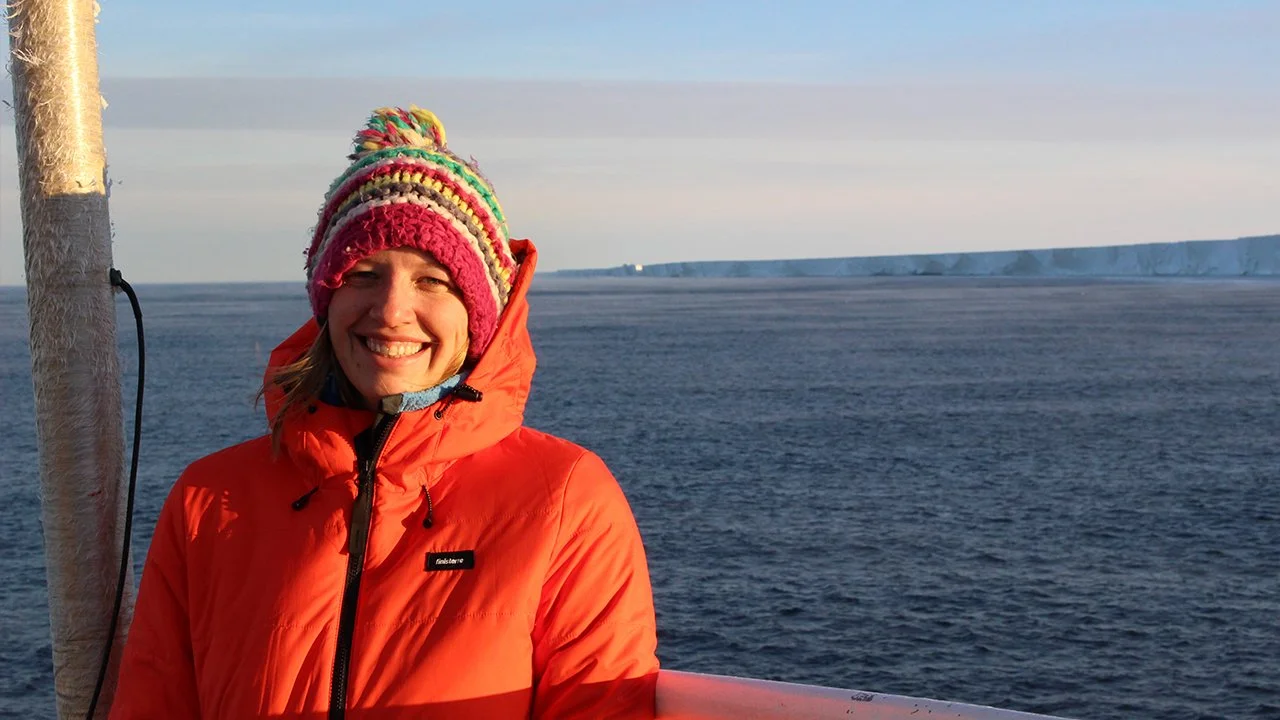
Dr Jenny Gales
Jenny explores some of the most remote and least understood places on Earth — the deep ocean floor. Her EU-funded Antarctic Canyon Experiment (ACE) project takes researchers to the furthest reaches of the Southern Ocean to map hidden underwater canyons, volcanoes and the geological processes that shape our planet.
At Voyage of Discovery, she is bringing that expedition into the immersive Market Hall dome in Devonport for September 2026.
Marine Geoscientist
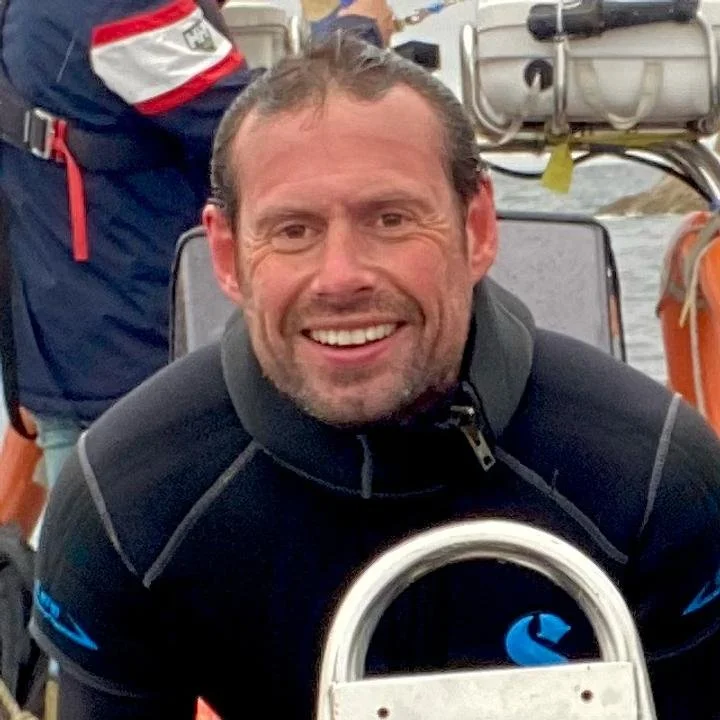
Dr Thomas Davies
Tom studies the relationship between the moon and marine life - specifically how lunar cycles drive biodiversity in our rock pools and coastal waters, and how artificial light at night
is disrupting those ancient rhythms. His research, funded by the European Union through the Horizon Europe AquaPLAN project, forms the heart of the Lunar Oceans installation running in 2027.
Marine Biologist
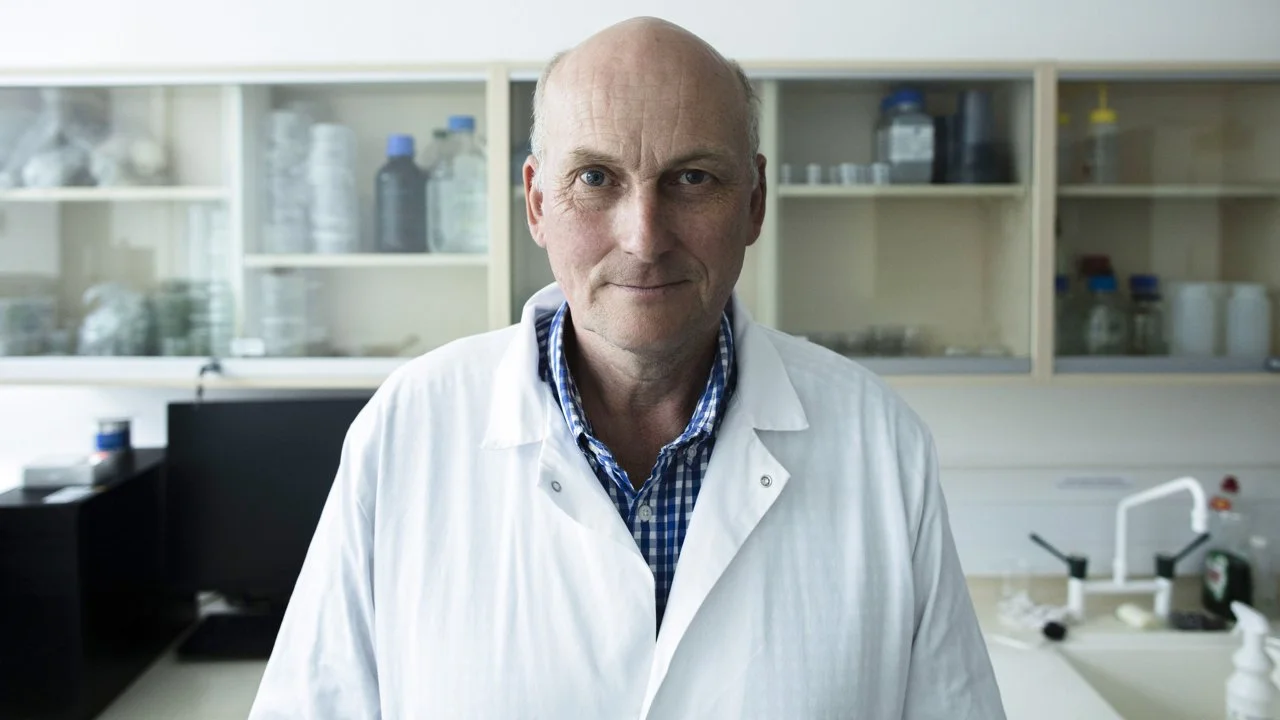
Richard is one of the world's leading experts on plastic pollution and microplastics — the tiny fragments of plastic that have now reached every corner of our ocean, our food and our bodies.
Named in the TIME 100 most influential people in the world, his research at Plymouth has helped drive global policy change on plastics. He will be part of the Voyage Shorts and Podcast series.
Marine Biologist
Prof. Richard Thompson OBE
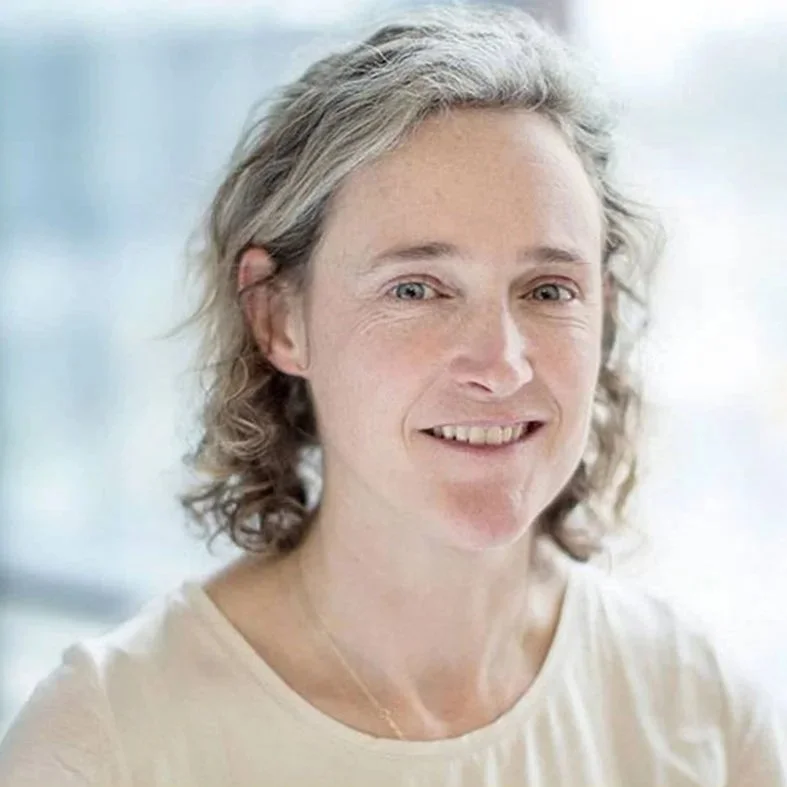
Katharine's research explores how data, design and digital technology are reshaping the places we live in, and who gets a say in that process.
She leads the Way We Live Now strand at The Box in Plymouth, inviting communities to explore and respond to the future of their own city.
Smart Cities and Communities
Prof. Katharine Willis
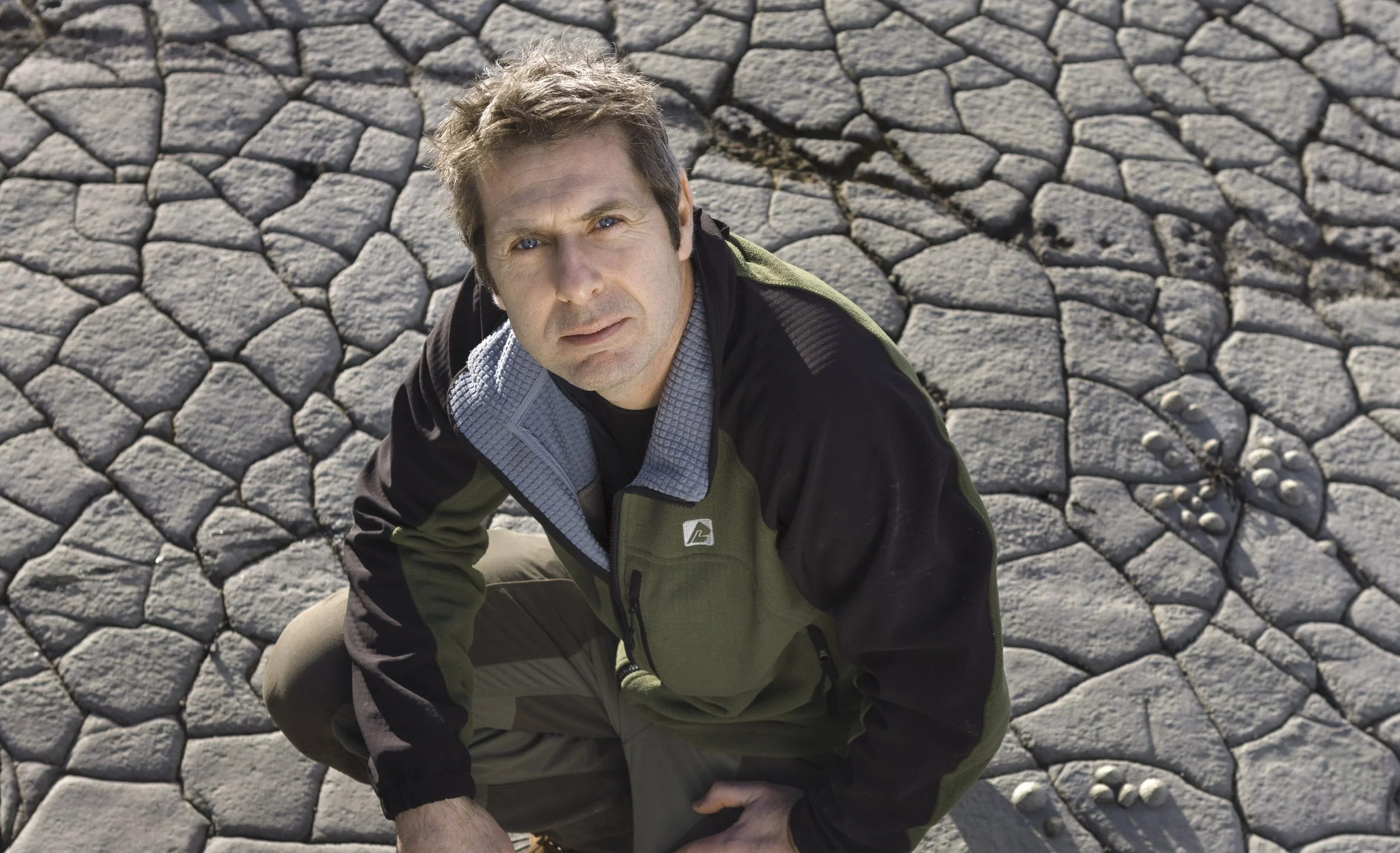
Iain is one of the UK's best-known science communicators, bringing geology and earth science to audiences around the world through television, writing and public events.
At Voyage of Discovery he will take part in the Voyage Talks series — an evening of big ideas at Plymouth's new Lido venue in September 2027.
Geoscientist
Prof. Iain Stewart MBE
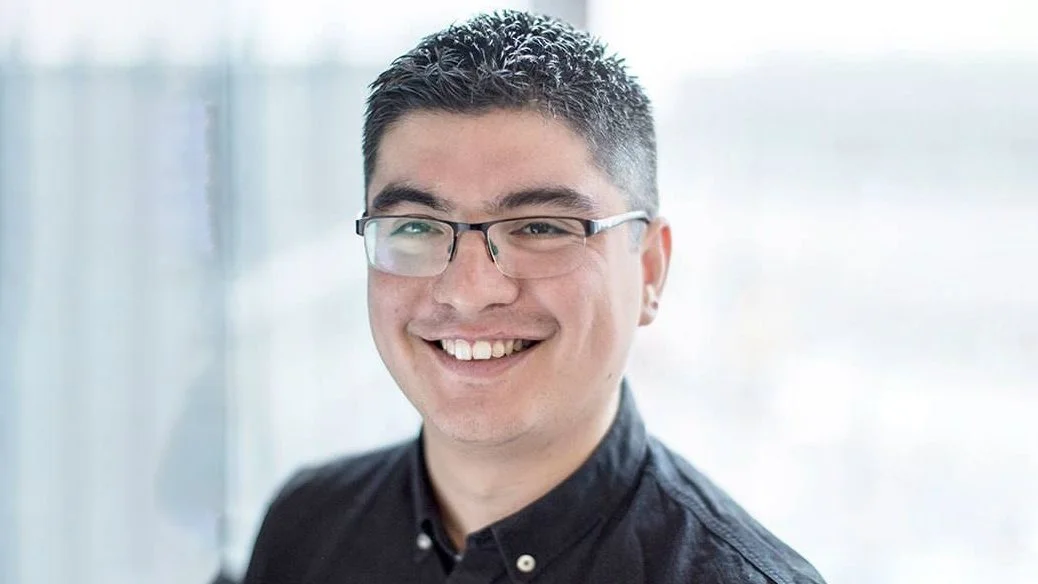
Alejandro's research explores how digital design and technology can be used to create affordable, sustainable and socially responsible buildings and spaces.
At Voyage of Discovery he is bringing an interactive installation to Drake Circus Mall in the heart of Plymouth, inviting people to explore how the homes and places of the future could be designed differently - and what that means for the communities who live in them.
Digital Architecture and Design
Dr Alejandro Veliz Reye
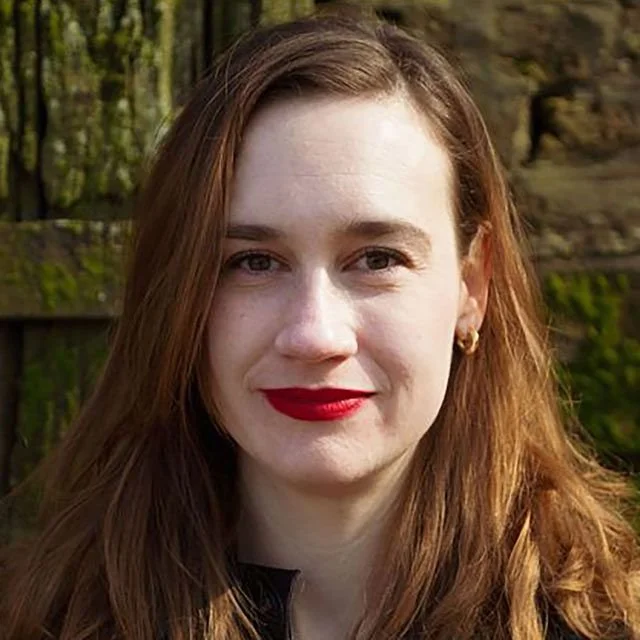
Sarah works at the intersection of art, performance and environmental research.
Working alongside Dr Thomas Davies, she is co-creating the Lunar Oceans installation — translating complex marine science into an immersive sensory experience that anyone can engage with.
We look forward to Sarah joining Voyage of Discovery after her maternity leave.
Artist and Researcher
Dr Sarah Blissett

If you are a researcher at Plymouth and would like to find out about getting involved, visit our researcher SharePoint information page or get in touch.
You do not need to be EU-funded to get involved, though if you are we would love to know.
Taking part is a genuine opportunity to share your work with new audiences, develop your public engagement skills and contribute to one of the most ambitious research engagement programmes the University has delivered.
Whatever your area of research